Combined-type Intraductal Papillary Mucinous Neoplasm
Patient Presentation & Demographics
Clinical History & Presentation: Patient presented with characteristic clinical findings consistent with suspected Combined-type Intraductal Papillary Mucinous Neoplasm. Multimodal diagnostic imaging was performed to characterize anatomic involvement and guide therapeutic management.
Systematic Imaging Findings
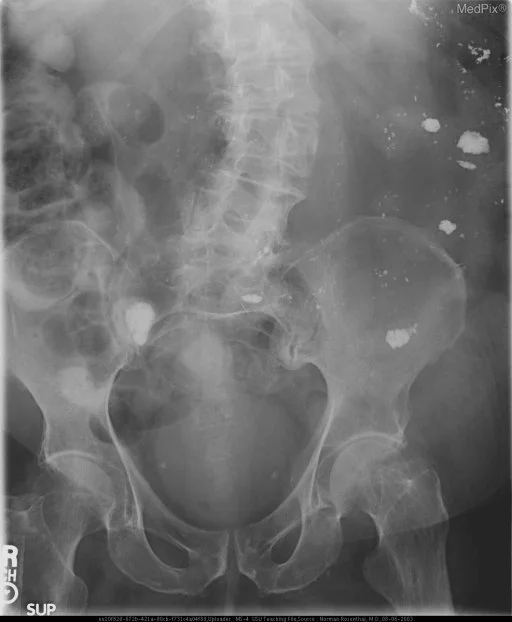
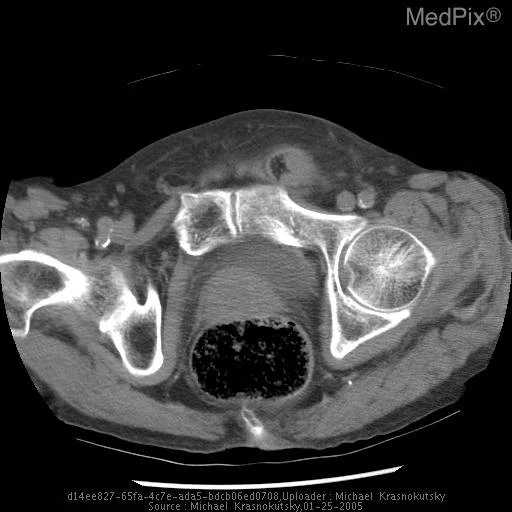
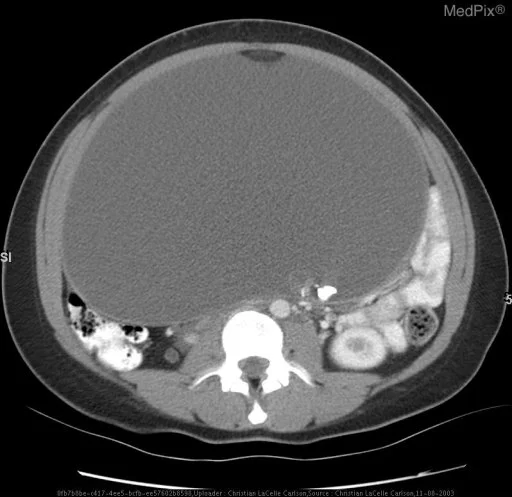
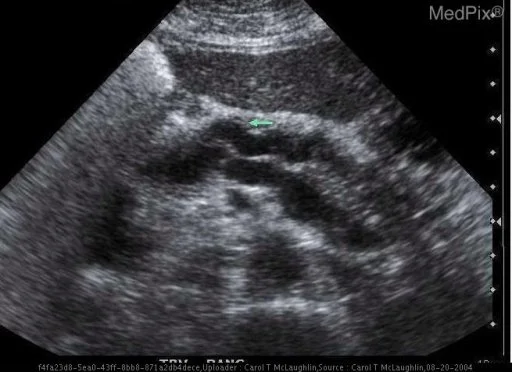
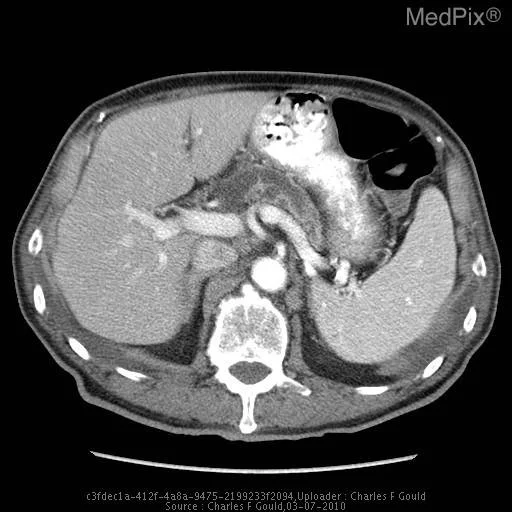
Modality & Anatomic Assessment (Computed Tomography / Radiography): Abdominopelvic imaging systematically interrogates bowel loop caliber, mural thickness, mucosal enhancement patterns, mesenteric fat stranding, and peritoneal fluid. Solid abdominal viscera (liver, pancreas, spleen, gallbladder) are assessed for focal lesions, parenchymal perfusion defects, and biliary ductal dilatation. Key Observational Findings: Lobulated multicystic lesion which involves the pancreatic head and uncinate process, predominantly. The main pancreatic duct is dilated to 10mm and there is branch duct involvement within the pancreatic body. No mural nodules or solid masses are identified.
Challenge: What Is the Primary Diagnosis?
Evaluate the patient presentation, systematic radiologic findings, and multi-frame imaging series above. Test your clinical reasoning before revealing the definitive diagnosis, hallmark differential criteria, and board pearls.
Combined-type Intraductal Papillary Mucinous Neoplasm
Differential Diagnosis (DDx) • Key Clinical Hallmarks
Closed-Loop Small Bowel Obstruction
Distinguishing Radiologic Hallmark: Two adjacent transition points with mesenteric vascular engorgement, bowel wall thickening, and impending ischemic compromise.
Active Crohn Disease
Distinguishing Radiologic Hallmark: Transmural bowel wall hyperenhancement, mucosal ulceration, comb sign (mesenteric hypervascularity), and fibrofatty creeping fat proliferation.
Mesenteric Ischemia
Distinguishing Radiologic Hallmark: Marked bowel wall thinning or pneumatosis intestinalis with portomesenteric venous gas and absent mucosal contrast enhancement.
Severe Ulcerative Colitis
Distinguishing Radiologic Hallmark: Continuous, symmetric colonic mucosal thickening extending proximally from the rectum with loss of haustration (lead-pipe appearance).
High-Yield Clinical Pearls & Management Guidelines
In mechanical small bowel obstruction (SBO), the mesenteric "whirl sign" indicates volvulus or closed-loop strangulation requiring emergent surgical laparotomy. The bowel wall "target" or "halo" sign reflects marked submucosal edema characteristic of acute ischemia or severe enteritis. ACR Communication Urgency: Tier 1 for closed-loop obstruction or perforation, Tier 2 for uncomplicated SBO.